Edo era
Kite Brown & Gold— 鳶と黄金
The warm brown of a kite's wing lit by afternoon gold.
Hue family · 10 colors · 2 palettes
Tobi, kogecha, kuri — rich earth-tones from kite-brown to burnt cedar.
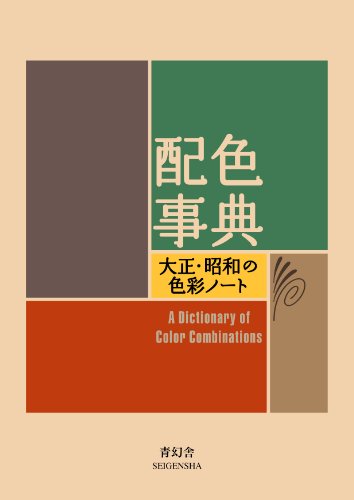 5 of these 10 colors come from one 1933 book. Get Sanzo Wada's 1933 Dictionary on Amazon → Pocket-size paperback, about 5.9 × 4.3 in (15 × 11 cm), 256 pages, text in English and Japanese. Volume 1 of 2. Buying it as a gift? See the holiday gift guide Affiliate link; your price is unchanged. As an Amazon Associate we earn from qualifying purchases.
Browns in the Wada catalogue describe the working surfaces of pre-modern Japan: tatami matting, urushi lacquer, cypress timber, kuri chestnut. Where Western browns lean toward the indistinct, Japanese browns are unusually specific — tobi (kite-bird brown), tonocha (a courtier's tea), kogecha (scorched-tea), each anchored to a recognisable material world.
Click any swatch to see the palette where it appears. Every color page lists hex, RGB, WCAG contrast, and cross-links to every Wada plate that uses it.
2 historical combinations from the 1933 archive where brown carries the strongest visual weight. Each palette page exports as JSON, Tailwind config, CSS variables, or a downloadable share-card image.
Last updated
Tell us the colour, mood, or palette you were after — it shapes which editorial combinations we add next.
Thank you — noted for the editorial queue.
Did you find what you were looking for?
Thank you. We read every answer and use it to improve this site.