Most traditions treat purple as a luxury. Japan wrote it into law. When Prince Shōtoku set up the twelve cap ranks of court in 603, purple marked the top rank, and for centuries after the deepest purples stayed among the kinjiki, the colours ordinary people were forbidden to wear. The four names below run from that court purple to the flowers that gave the colour its gentler forms.
紫 Murasaki — the court purple
Murasaki is dyed from the roots of the gromwell plant (Lithospermum erythrorhizon, itself called murasaki). The dye was slow and expensive, which is exactly why it signalled rank. The name runs through classical literature: the heroine of The Tale of Genji is Murasaki, and its author is remembered by the same name. Murasaki reads serious, old and a little spiritual, never playful.
Working palette: Royal Purple & Silver: purple, silver and ink, the formal register.
江戸紫 Edo-murasaki — the city purple
Edo-murasaki is the bluer purple that became fashionable in Edo (Tokyo) and was set against the redder "Kyoto purple" of the old capital. Its best-known wearer is fictional: the kabuki hero Sukeroku ties his hair with an edo-murasaki headband. The colour reads urban, stylish and confident, purple with its court robes swapped for street clothes.
Working palette: Edo Purple & Mouse Grey, which pairs it with the greys Edo fashion loved.
桔梗 Kikyō — bellflower
Kikyō is the blue-violet of the Chinese bellflower, counted among the seven flowers of autumn. It is darker and bluer than wisteria and reads cool, clear and a little austere, the purple for an autumn palette or a brand that wants violet without sweetness.
Working palette: Bellflower & Ink.
藤 Fuji — wisteria
Fuji is the pale lilac of wisteria, which blooms in late spring. The flower gave its name to the Fujiwara, "wisteria field," the family that ran the Heian court, so even this soft purple has rank behind it. In design fuji is the approachable purple: light, floral, and easy to pair.
Working palette: Wisteria & Indigo, wisteria over indigo and shell-white.
How to pick the right purple for a brief
- Authority or style? Authority, heritage and ceremony want murasaki. Fashion and city confidence want edo-murasaki.
- Dark or light? The two dyed purples are deep. The flower purples split: kikyō stays mid-dark and cool, fuji is pale.
- Which season? Fuji is late spring; kikyō is autumn.
- What is the neutral? Silver and ink suit murasaki, mouse grey suits edo-murasaki, indigo and white suit fuji.
For more, the Japanese collection gathers the tradition's palettes, the purple collection shows purple in modern use, and Heian Court Color Theory explains the rank system in full. The companion pieces cover the four reds, the blues and the greens; the glossary has the full list of names.
— colorcombinations.org editorial
Library
Go deeper on Japanese purples
The books behind this piece — colour theory, history and reference that designers keep close.
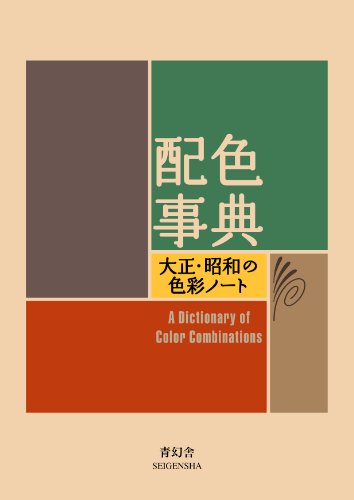
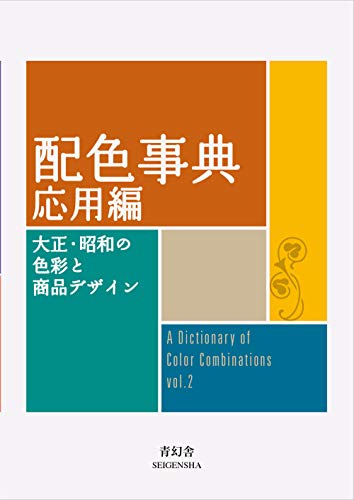


Torn between the two Wada dictionaries? Vol 1 vs Vol 2, compared plate by plate →
Book links are Amazon Associates affiliate links. Your price is unchanged; a small commission supports the archive. As an Amazon Associate we earn from qualifying purchases.
From the archive
Support the archive The full catalog, on your disk, as a thank-you.
- All 378 palettes (348 Wada + 30 editorial) in five formats
- Figma design tokens (W3C-spec JSON, drag into any file)
- Tailwind v4 + v3 configs — drop into any project
- CSS custom properties — every plate, one stylesheet
- 378 SVG plates (348 Wada + 30 editorial) — print-ready at any size
- Full JSON — colors, names, eras, moods, dominant hues
Launching soon. The free archive stays free, always.